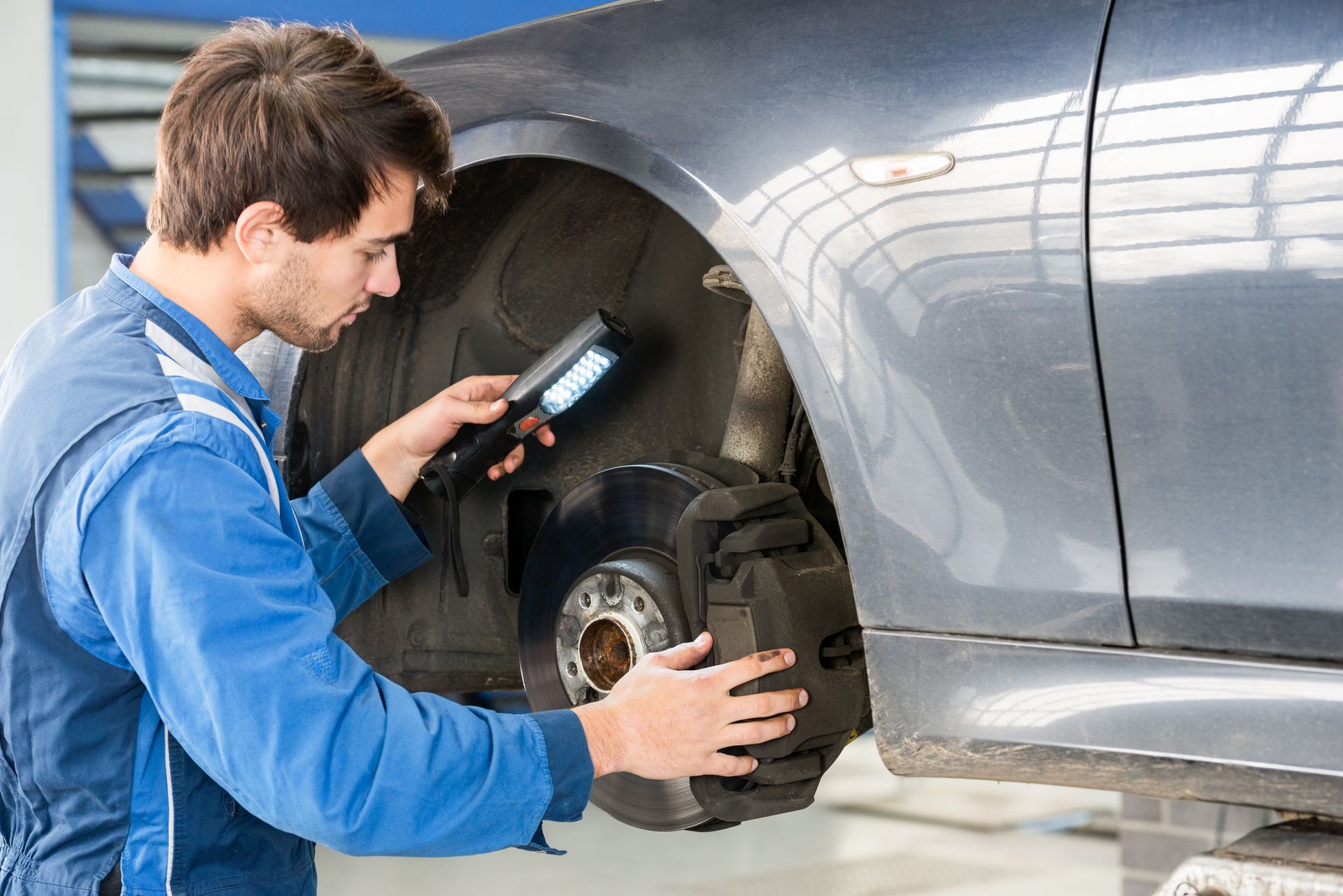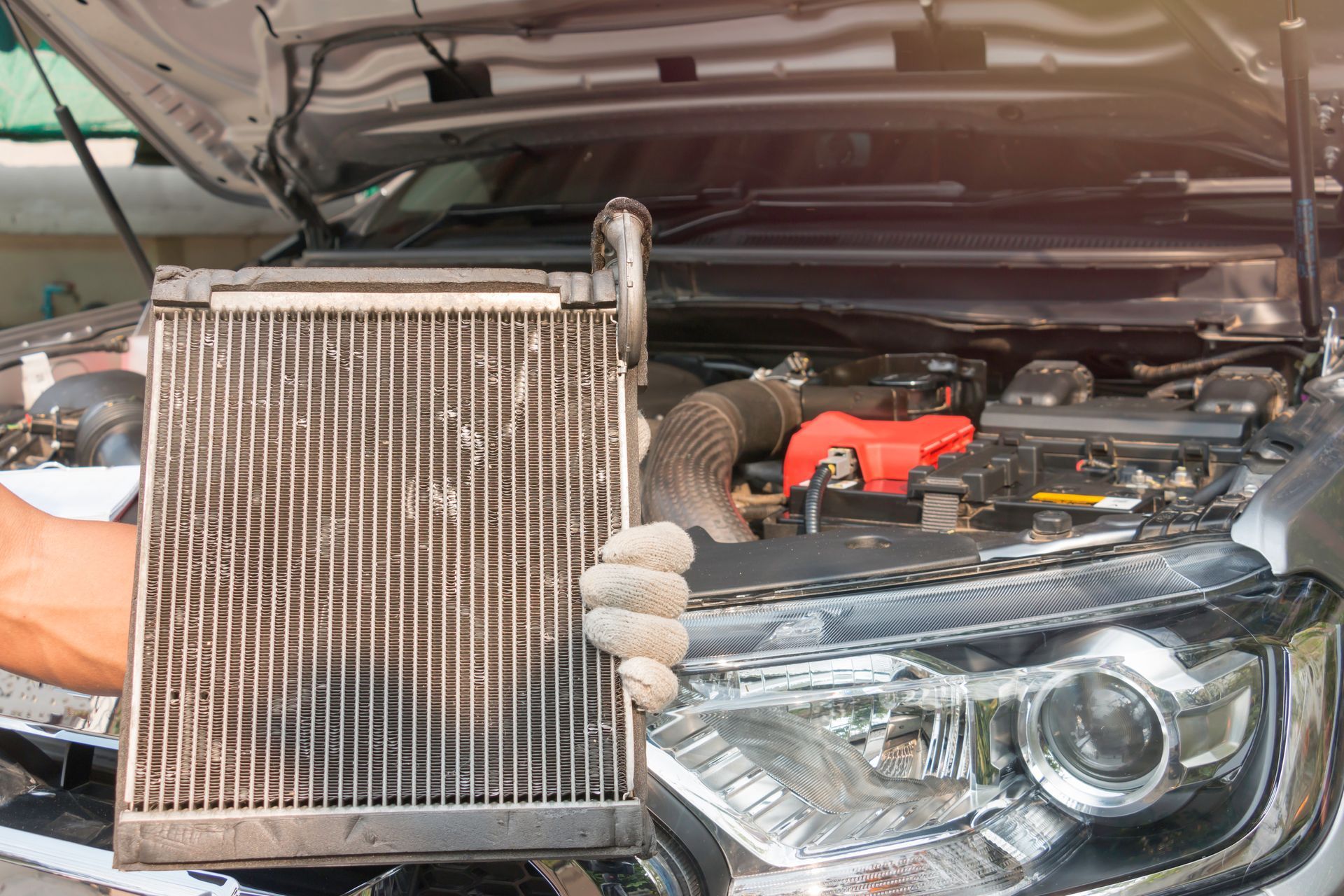
Filters do quite a work that keeps engines running clean, cabins comfortable, and transmissions alive. When they clog, you feel it in sluggish response, poor fuel economy, and strange noises. Here in Lakewood, our technicians see the same five filters over and over, and staying ahead of them saves bigger repairs later.
1. Engine Oil Filter
Your oil filter traps metal flakes, soot, and varnish so clean oil can protect bearings and cam surfaces. When it loads up, the bypass valve can open and send unfiltered oil through the engine. That is when wear accelerates. Most cars do well with replacement at every oil change. If you tow, drive lots of short trips, or run a turbo engine, keep intervals tight. We match the filter to the engine’s spec and check for a clean anti-drainback valve to prevent noisy starts after the car sits overnight.
2. Engine Air Filter
The engine air filter keeps dust and grit out of the intake. A clogged filter restricts airflow, which can dull throttle response and raise fuel trims. In our region, a long summer of road dust or a few fall trips down gravel can load a filter quickly. We inspect it at every service, looking for dark, caked pleats or debris in the airbox. Most drivers see replacement every 15,000 to 30,000 miles, sooner if you travel unpaved roads or commute through construction zones.
3. Cabin Air Filter
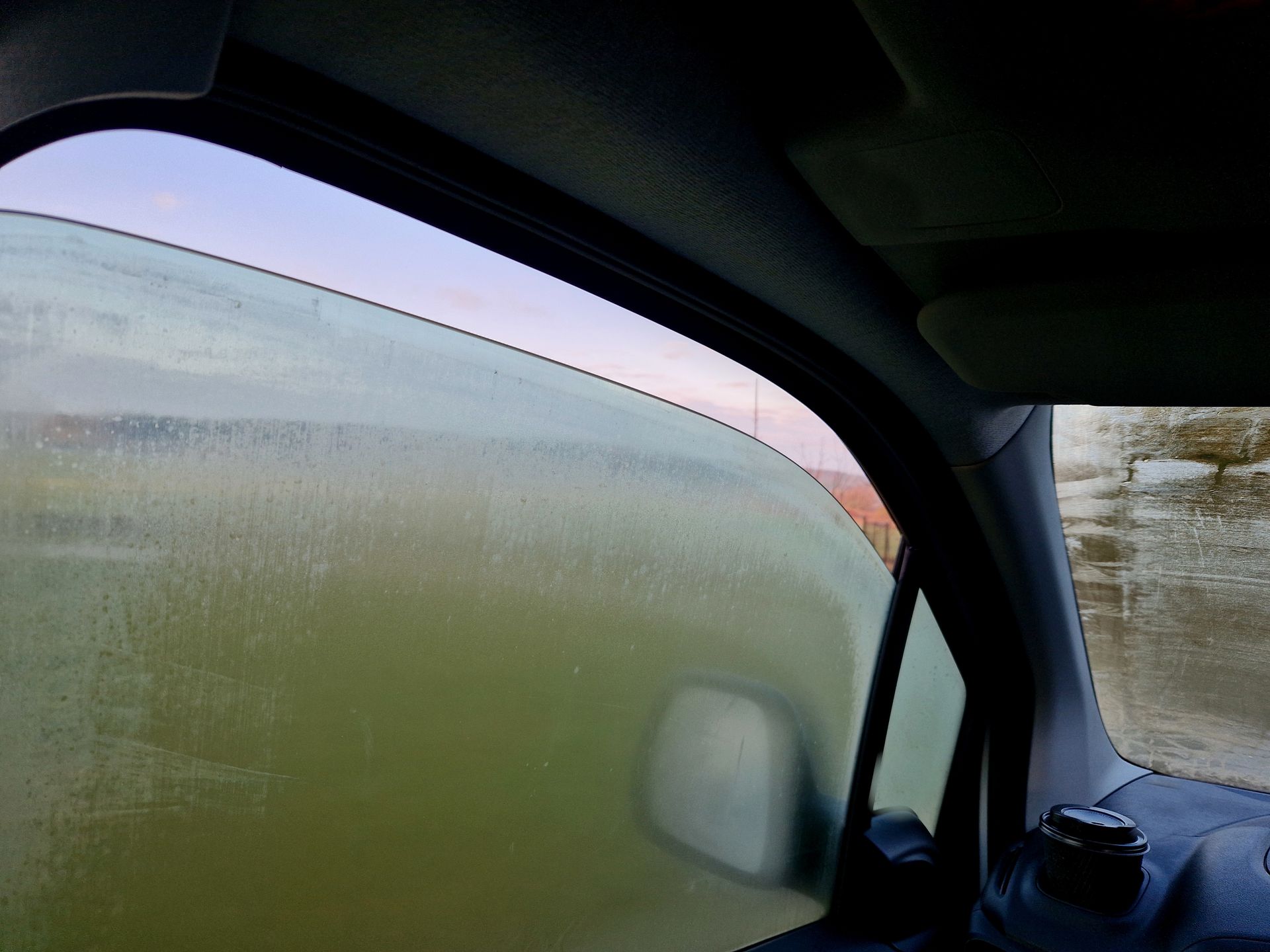
This one protects you and the HVAC system. The cabin filter catches pollen, dust, and road soot before air passes the heater core and evaporator. When it clogs, you get weak airflow, slow defrost, and a blower that sounds like it is working too hard. If the inside of the windshield fogs easily, a choked cabin filter may be part of the story. Plan on 12,000 to 20,000 miles, or once a year. We like to change it before the wet season, so defrost works fast on cold Lakewood mornings.
4. Fuel Filter
Clean fuel protects injectors and high-pressure pumps. Some vehicles have a serviceable inline filter, others use a filter built into the pump module in the tank. A restricted filter can show up as hard starts, hesitation on hills, or a loud, straining fuel pump. If your car has a serviceable filter, a 30,000 to 60,000 mile interval is common. For lifetime filters inside the tank, we monitor pressure and volume; if we see drop off or contamination in a fuel sample, we plan the correct repair rather than guessing at parts.
5. Transmission Filter
On transmissions with a real filter and pan, fluid carries clutch material and fine metal that the filter captures. When it loads up, shift quality suffers and heat climbs. Not every car has a replaceable filter, but if yours does, pan-drop service with a new filter is the right move. For many conventional automatics, 30,000 to 60,000 miles is a sensible window. We always verify the proper fluid spec, because the wrong fluid can create shudders and shorten the life of the unit.
How Often Should You Replace Filters?
Intervals are guidelines, not promises. Short trips, towing, mountain grades, and stop-and-go traffic all shorten service life. A simple rule helps: if you have changed driving habits or the car has started a new job, filters earn an earlier look. At our repair shop we check the air, cabin, and visible fuel filters during routine visits and document the condition with photos. For sealed systems, we use pressure and flow tests so you are not replacing parts on a hunch.
Get Professional Filter Service in Lakewood with Tveten’s Auto Clinic
If airflow feels weak, shifts are not as smooth, or the engine just seems tired, bring your vehicle to our Lakewood team. We inspect every filter, verify intervals based on how you drive, and use the correct OEM-spec parts so the fix lasts.
Our technicians will show you what we found and set a simple schedule that keeps the car running clean, warm, and responsive. Schedule your visit today.

What Happens When You Skip An EV Coolant Flush, and How Does It Differ From an Engine Coolant Flush?