EV owners hear coolant and think of the engine, but the job is still the same at its core: move heat away from expensive parts so they stay in their safe temperature range. The difference is that an EV uses coolant to protect the battery and power electronics, and sometimes to support cabin heating, not a combustion engine block. When coolant service gets skipped, the car may keep driving fine for a while, then start limiting charging or power when you need it most.
Thermal control is the reason modern EVs feel consistent.
How EV Cooling Systems Really Work
Most EVs have one or more coolant loops that circulate through a battery pack and the power electronics, then dump heat through a radiator or a dedicated heat exchanger. Electric pumps and valves manage flow depending on conditions, and the vehicle monitors temperatures constantly. If the system cannot shed heat effectively, the car protects itself by reducing fast charging speed or limiting power output.
Some EVs also tie cooling into cabin comfort through a heat pump or chiller strategy. That means coolant conditions can influence more than one system, even if everything sounds normal from the driver’s seat.
What Skipping An EV Coolant Flush Can Lead To
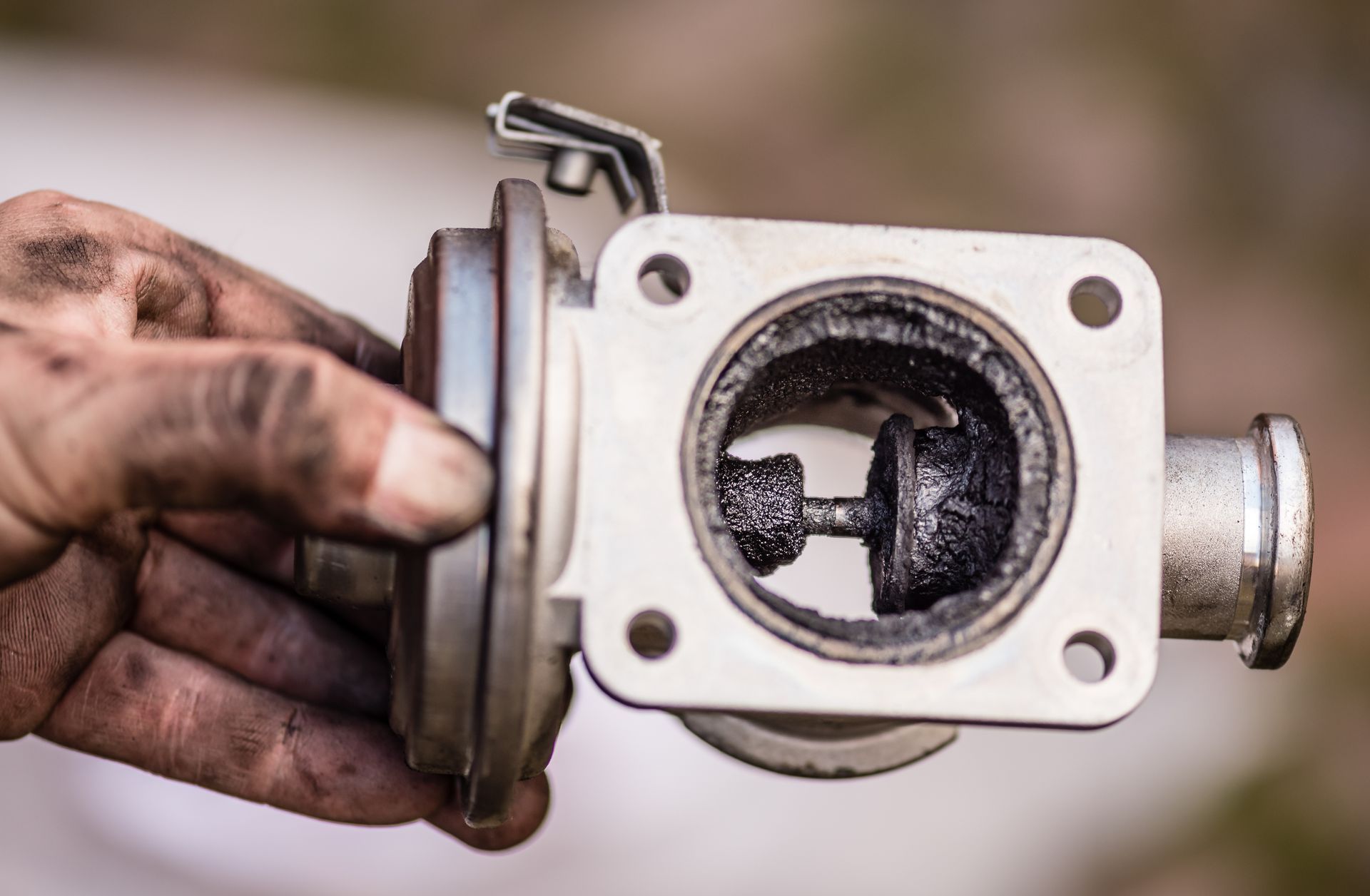
Coolant is not permanent. Over time, corrosion inhibitors get used up, the pH can shift, and small amounts of debris can build up in the system. That reduces heat transfer and can restrict flow through narrow passages in heat exchangers, which makes pumps work harder, and temperatures climb faster under load.
When EV temperatures rise outside their targets, the car often activates protection modes rather than immediately breaking down. You might notice reduced charging speed, limited power during long climbs, or fans running longer after you park. Left alone long enough, poor coolant condition can contribute to pump wear, leaks at seals, and internal corrosion that is far more expensive than a scheduled service.
EV Coolant Flush Versus Engine Coolant Flush
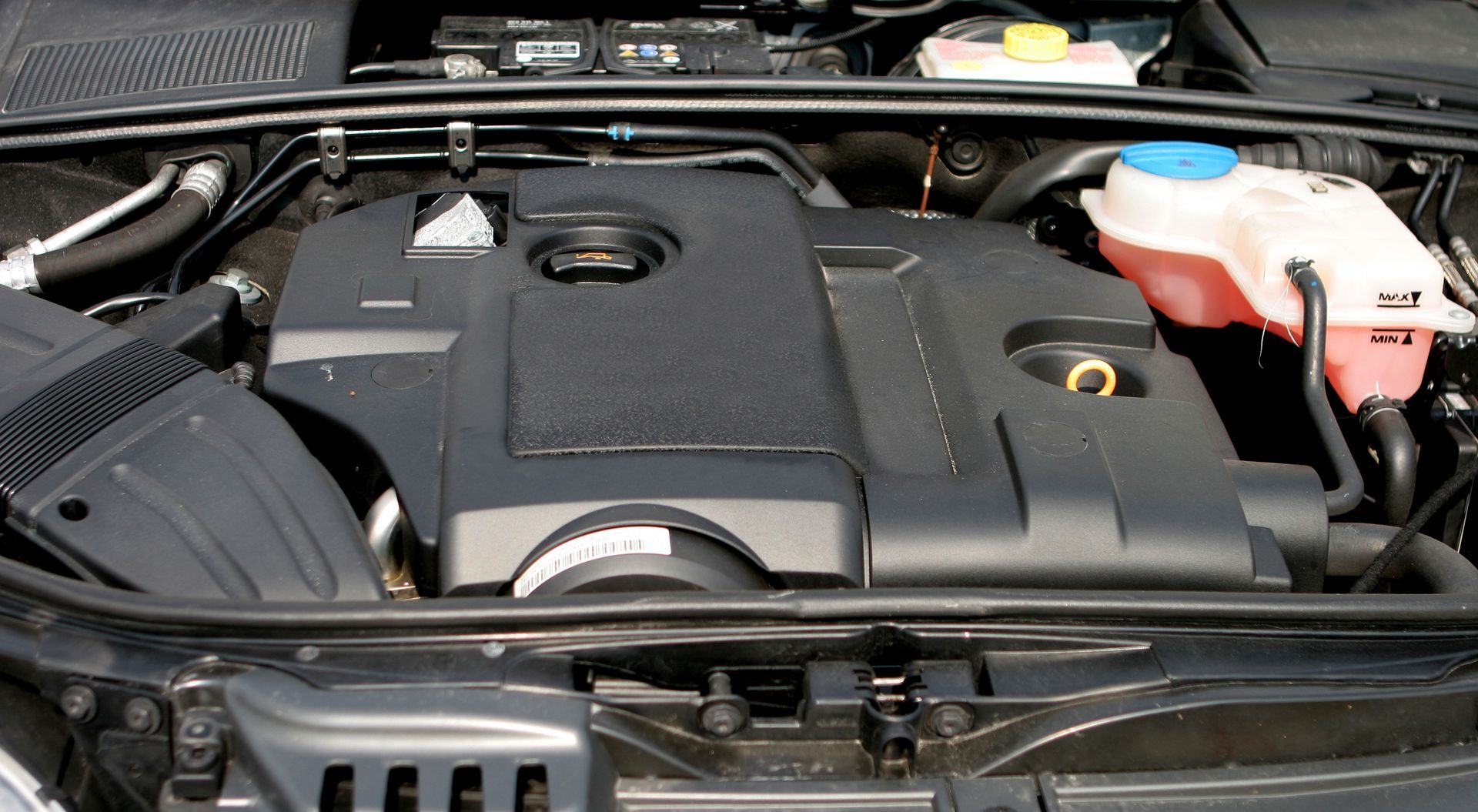
An engine coolant flush is built around combustion heat and very high temperature cycling. The coolant must manage hot spots, pressure changes, and the risk of contamination from internal leaks. On many gas vehicles, the service also involves checking thermostat operation, radiator flow, and heater core performance, because all of it is tied to the same loop.
EV coolant service is more about stable thermal management and keeping conductivity, corrosion protection, and flow where the manufacturer expects. Some EVs have multiple loops that require specific bleeding or vacuum-fill procedures, and mixing coolants or using the wrong spec can create problems quickly. The service is not complicated for a trained shop, but it is less forgiving of shortcuts than people assume.
Intervals And Why Some EVs Need It Sooner
Most manufacturers publish a time and mileage interval, and that is the best starting point. If the vehicle sees frequent fast charging, heavy hill driving, towing, or hot-weather commuting, the thermal system works harder and the coolant ages under greater heat load. Short trips also matter because systems cycle on and off more often, which stresses seals and can reveal small leaks sooner.
This is one of those services that fits naturally into regular maintenance because you are preserving temperature control instead of waiting for a warning. The goal is to keep coolant chemistry and flow stable so the car behaves the same in summer traffic as it does on a mild day.
Signs Your EV Cooling System Needs Attention
A few patterns tend to show up when coolant level, flow, or heat exchange is not where it should be. Watch for changes that repeat, not one-off weirdness.
- Fast charging slows down more than normal in similar conditions
- Power feels limited during long climbs or highway pulls
- Cooling fans run loudly or longer than usual after shutdown
- Cabin heat or A/C performance changes along with temperature messages
- You smell a sweet odor near the front of the vehicle after driving
- Low coolant level returns after topping off
If you notice these, avoid topping off repeatedly and calling it solved. Coolant does not disappear without a reason, and adding the wrong fluid can create a bigger mess than the original leak.
Why Coolant Type And Fill Procedure Matter
EV cooling components have tight passages and sensitive materials, so coolant spec matters. Mixing incompatible types can cause gelling or sludge, and using tap water can introduce minerals that do not belong in a modern cooling system. The right fluid, in the correct concentration, is what keeps heat transfer predictable and helps seals live a long time.
Air pockets are another issue. Trapped air can create hot spots, noisy pumps, and temperature swings that lead to repeated warnings. A proper inspection confirms the correct fill level, checks for leaks and pressure stability, and verifies the system can circulate and reject heat the way it was designed to.
Get EV Coolant Flush In Lakewood, WA With Tveten's Auto Clinic
If you are due for coolant service or you have noticed charging, fan, or temperature behavior changing, the right next step is servicing the system with the correct coolant and the correct bleeding procedure. Schedule service with Tveten's Auto Clinic in Lakewood, WA, and we’ll confirm the cooling system is sealed, flowing properly, and controlling heat the way your EV needs.
Protect the battery and electronics before heat control becomes a repeat problem.