Oil change intervals used to be simple. Every 3,000 miles was the standard advice, and most drivers followed it without thinking twice. Modern engines, synthetic oils, and longer service intervals have changed that rule, but not always in ways that are easy to understand.
Many drivers now stretch oil changes based on guesswork, reminders, or what seems convenient. The real answer depends on how your vehicle is built and how you actually use it day to day.
Why Oil Changes Still Matter More Than People Think
Engine oil does more than lubricate moving parts. It helps manage heat, reduce friction, and carry away contaminants that build up during normal operation. Over time, that oil breaks down and loses its ability to do those jobs effectively.
Once oil starts degrading, internal wear increases. The engine may still run fine for a while, which is why delays are common. The damage, though, builds quietly in the background.
What Modern Oil Change Intervals Really Mean
Many newer vehicles can go 5,000 to 10,000 miles between oil changes, especially when using full synthetic oil. That does not mean every driver should aim for the maximum interval.
Driving conditions play a big role. Short trips, stop-and-go traffic, towing, and extreme temperatures all put more stress on the oil. In those cases, changing oil closer to the lower end of the interval makes more sense.
How Driving Habits Affect Oil Life
Not all miles are equal. Highway driving at steady speeds is easier on engine oil than frequent short trips where the engine never fully warms up. Cold starts, idling, and heavy loads all accelerate oil breakdown.
If your driving routine includes many short trips or city driving, your oil may need to be changed more frequently than the standard recommendation. That is where a more realistic schedule becomes important.
The Role Of Synthetic Oil In Longer Intervals
Synthetic oil is designed to last longer and perform better under heat and stress. That is why many manufacturers recommend it for modern engines. It holds its viscosity better and resists breakdown longer than conventional oil.
Even so, synthetic oil is not permanent. It still collects contaminants and eventually loses effectiveness. Extending oil changes too far, even with synthetic oil, can lead to sludge buildup and reduced protection.
Oil Life Monitoring Systems Are Helpful, But Not Perfect
Many vehicles now use oil life monitoring systems that track driving conditions and estimate when service is needed. These systems are helpful, but they are still based on programmed calculations rather than direct measurement of oil condition.
They are a guide, not a guarantee. If your driving conditions are more demanding than average, it is still a good idea to stay conservative with oil changes instead of relying entirely on the system.
Signs You Should Not Delay An Oil Change
Sometimes the vehicle gives clear signs that oil service should not wait. These include darker, thicker oil, engine noise, reduced performance, or a burning smell.
Even without obvious symptoms, sticking to a consistent schedule is the safest approach. Waiting for noticeable problems usually means the oil has already lost much of its protective ability.
Why Consistency Matters More Than Maximum Interval
The biggest mistake many drivers make is trying to stretch oil changes as far as possible. Saving one service interval may not seem like a big deal, but over time, that habit can lead to increased wear and more expensive repairs.
Regular maintenance keeps the engine cleaner and helps avoid long-term damage. A consistent oil change schedule is more important than pushing for the longest possible interval.
When It Makes Sense To Change Oil Sooner
If you are unsure about your driving conditions or the condition of your oil, it is better to err on the side of caution. Changing oil a little sooner is far less costly than dealing with engine wear later.
Vehicles with higher mileage, turbocharged engines, or frequent stop-and-go use benefit from shorter intervals. An inspection during service can also help determine if adjustments are needed.
Get Oil Change Service In Lakewood, WA, With Tveten's Auto Clinic
If you are unsure how often your vehicle should have its oil changed, Tveten's Auto Clinic in Lakewood, WA, can evaluate your driving habits, inspect your vehicle’s condition, and recommend the optimal oil change interval for your engine.
Call today to schedule your oil service and keep your engine protected with a maintenance plan that fits how you actually drive.

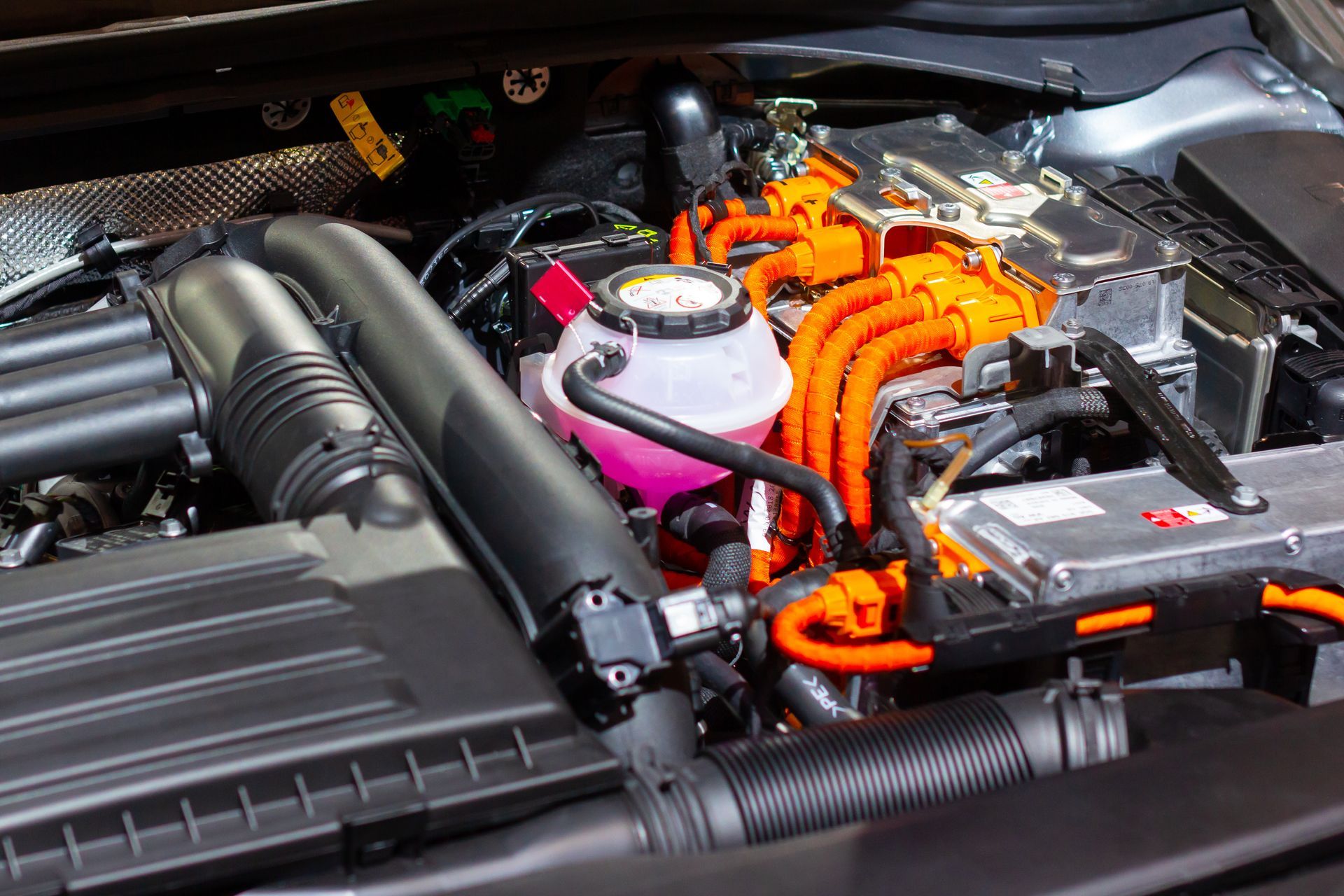
What Happens When You Skip An EV Coolant Flush, and How Does It Differ From an Engine Coolant Flush?