A whining noise from under the hood usually gets louder in your mind every time you drive. It may start as a faint sound at startup, then become easier to hear when you accelerate, turn the wheel, or let the engine idle in a parking space. Some drivers notice it right away. Others hear it for a few days before realizing it is happening on every trip.
That kind of sound usually means one moving part is no longer turning as cleanly as it should.
Why A Whining Noise Should Not Be Ignored
Whining noises usually come from parts that spin, build pressure, or rely on bearings to keep friction low. When one of those parts starts wearing out, the sound is often your earliest warning. The vehicle may still drive fine for now, though the noise is telling you that extra strain is building under the hood.
That is why a quick inspection is a better move than turning the radio up and hoping the sound fades away. A whining noise rarely disappears for a good reason. In most cases, it grows louder as the affected part wears further or starts putting extra load on nearby components.
The Sound Often Changes With Engine Speed
One of the most useful clues is whether the whining rises and falls with engine RPM. If the sound gets sharper when you press the gas, that usually points toward a belt-driven component or something attached to the engine itself. If it is strongest at idle and fades slightly as you move, that can point in a different direction.
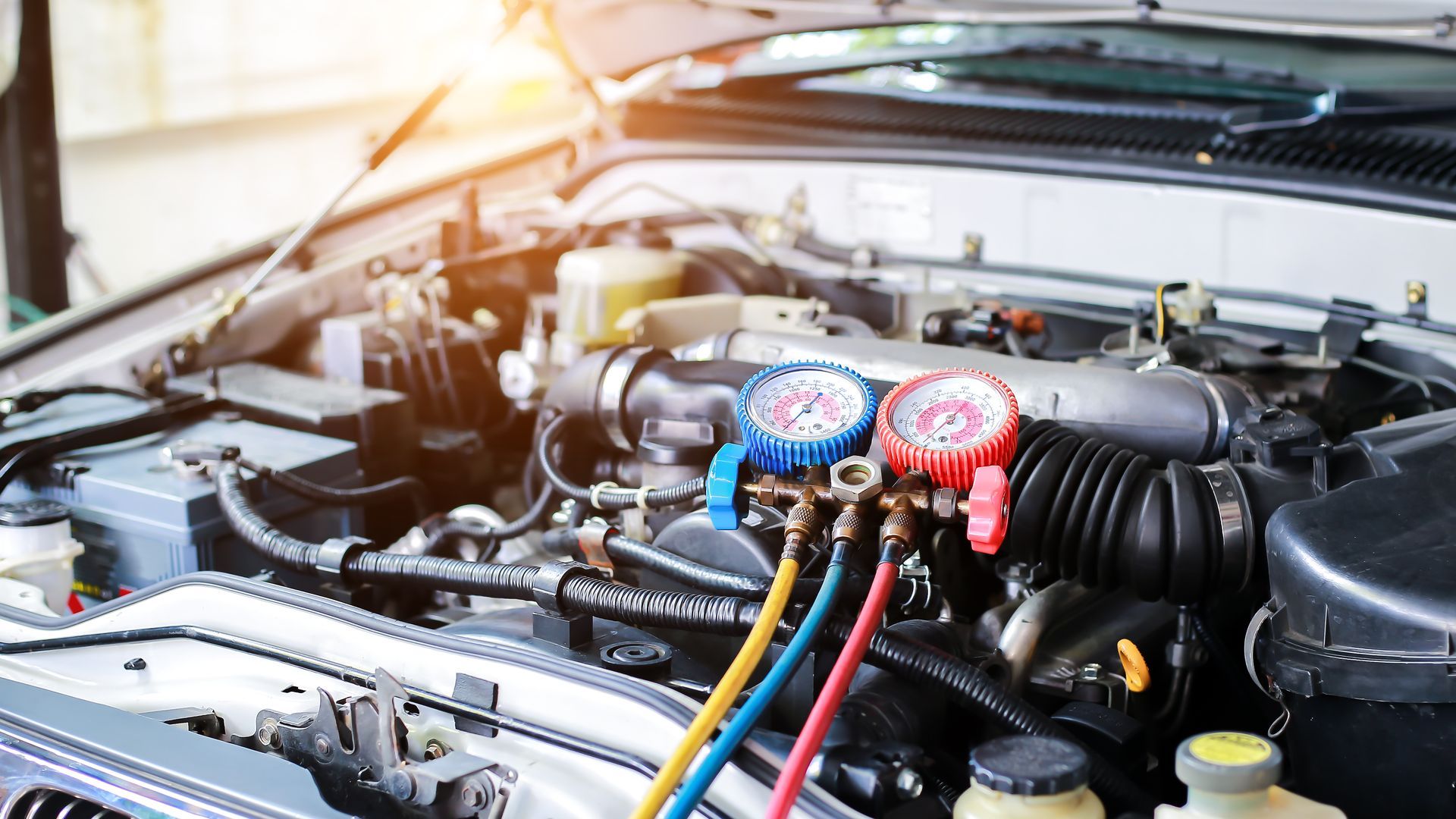
The way the sound changes during turns helps too. A whine that gets louder while turning the steering wheel often points toward the power steering system on hydraulic setups. A noise that grows stronger when the air conditioning is switched on can shift attention toward the compressor or belt load. Small patterns like these help narrow the problem down much faster.
Common Sources Of A Whining Noise
A few parts show up again and again when drivers describe a whine from under the hood.
- A worn serpentine belt that is slipping under load
- A tensioner or idler pulley with a failing bearing
- A power steering pump running low on fluid or wearing out
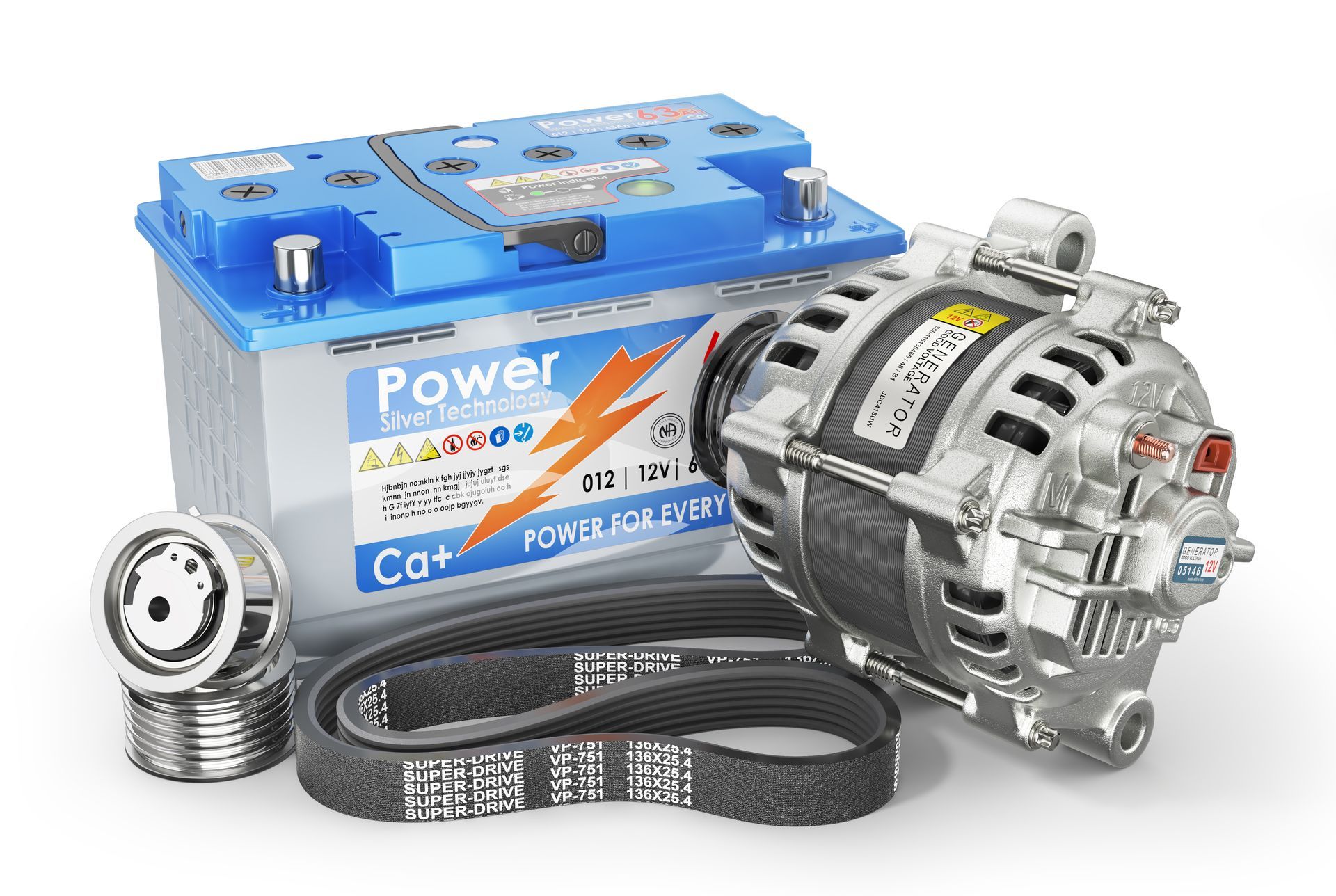
- An alternator bearing is starting to fail
- An air conditioning compressor or clutch is making noise
- A vacuum leak creates a high-pitched whistling sound
Each one creates a slightly different tone, though they can sound similar from the driver’s seat. That is why the source has to be confirmed instead of being guessed.
Belts And Pulleys Are Frequent Culprits
The serpentine belt runs several major accessories, so any problem in that system can create noise quickly. A worn belt may start slipping and produce a high-pitched whine or squeal, especially during startup or when extra load is placed on the engine. If the belt is glazed, cracked, or contaminated with oil or coolant, the sound often worsens.
Pulleys are just as important. A weak tensioner or failing idler pulley bearing will create a steady mechanical whine that changes with engine speed. We see this quite a bit on higher-mileage vehicles where the belt was replaced once, though the pulleys were left in place and kept aging.
Power Steering And Charging Problems Have Their Own Sound
On vehicles with hydraulic power steering, a low fluid level or a worn pump creates a very recognizable whine. The noise usually gets louder when you turn the wheel at low speed, because that is when the system is working hardest. If the reservoir is low, there is usually a leak somewhere in the system that needs to be found.
Charging system problems can sound similar. An alternator with a worn bearing often produces a smooth, rising whine that closely follows engine speed. In some cases, dimming lights or a battery warning light show up later. In others, the sound is the first clue that the alternator is starting to wear internally.
When The Noise Means A Bearing Is Wearing Out
A lot of under-hood whining comes down to bearings. Alternators, pulleys, water pumps, and compressors all rely on bearings to spin freely. Once a bearing starts drying out or wearing down, friction increases, and the sound becomes more noticeable over time.
This is one reason the noise should be checked early. A bearing that is only noisy today may seize later, throw the belt off, or damage the accessory it supports. During regular maintenance, these problems are often easier to catch before the noise turns into a breakdown.
Why Early Testing Saves Money
Whining noises are usually easier to pinpoint when they first start. The sound pattern is cleaner, the affected part has not damaged surrounding components, and the repair tends to stay focused. Waiting too long often leads to belt damage, fluid loss, overheating, charging trouble, or a vehicle that suddenly becomes undrivable.
A proper check should include belt condition, pulley operation, fluid levels, bearing noise, and accessory load. That full inspection gives a much clearer answer than replacing parts based on guesswork. Once the source is confirmed, the repair is usually far more straightforward.
Get Engine Noise Diagnostic and Repair In Lakewood, WA, With Tveten's Auto Clinic
If you hear a whining noise under the hood, Tveten's Auto Clinic can track down the source and fix it before a worn belt, pump, pulley, or bearing becomes a larger repair.
Bring it in while the sound is still an early warning and not the start of a major breakdown.

What Happens When You Skip An EV Coolant Flush, and How Does It Differ From an Engine Coolant Flush?