An A/C system that starts cold and then turns warm is almost more irritating than one that does not work at all. For the first few minutes, everything seems normal. The vents feel cold, the cabin starts to cool down, and then the air slowly turns mild or warm, like the system changed its mind.
That pattern is a clue. It usually means the A/C can work under certain conditions, but something stops it from staying consistent. Refrigerant level, airflow, fans, sensors, compressor operation, and moisture inside the system can all play a role. The trick is finding which part is failing after the system runs for a while.
Low Refrigerant Can Cool Briefly
Low refrigerant is one possible reason the A/C starts cold, then fades. The system may have enough refrigerant to cool at first, but not enough to keep pressures stable as cabin heat, engine heat, and outside temperature rise.
Refrigerant does not get used up over time in the system. If the level is low, there is likely a leak somewhere. It could be at a hose, seal, condenser, evaporator, compressor connection, or service port. Adding refrigerant may bring back cold air for a short time, but if the leak persists, the problem will return.
The Condenser May Not Be Getting Enough Airflow
The condenser, located near the front of the vehicle, removes heat from the A/C system. If it cannot shed heat well, the system pressure can climb, and cooling can fade. The air may feel cold while driving, then warm up in traffic or at idle.
Airflow problems can come from a weak cooling fan, debris blocking the condenser, damaged fins, electrical trouble, or a fan that only works sometimes. If the A/C cools better on the highway than at a red light, condenser airflow should be checked. That detail helps narrow the search.
A Weak Compressor Can Stop Cooling As It Heats Up
The compressor moves refrigerant through the system. When it is healthy, it keeps the cycle working steadily. When it starts to weaken, wear, or become heat-sensitive, it may work at first, then stop building the pressure needed for cold air.
Some compressors cycle on and off due to electrical issues, clutch problems, pressure issues, or internal wear. The driver may hear clicking, squealing, rattling, or notice the air getting warm during longer drives. A compressor shouldn't be blamed too quickly, though. Other parts can prevent a good compressor from staying engaged.
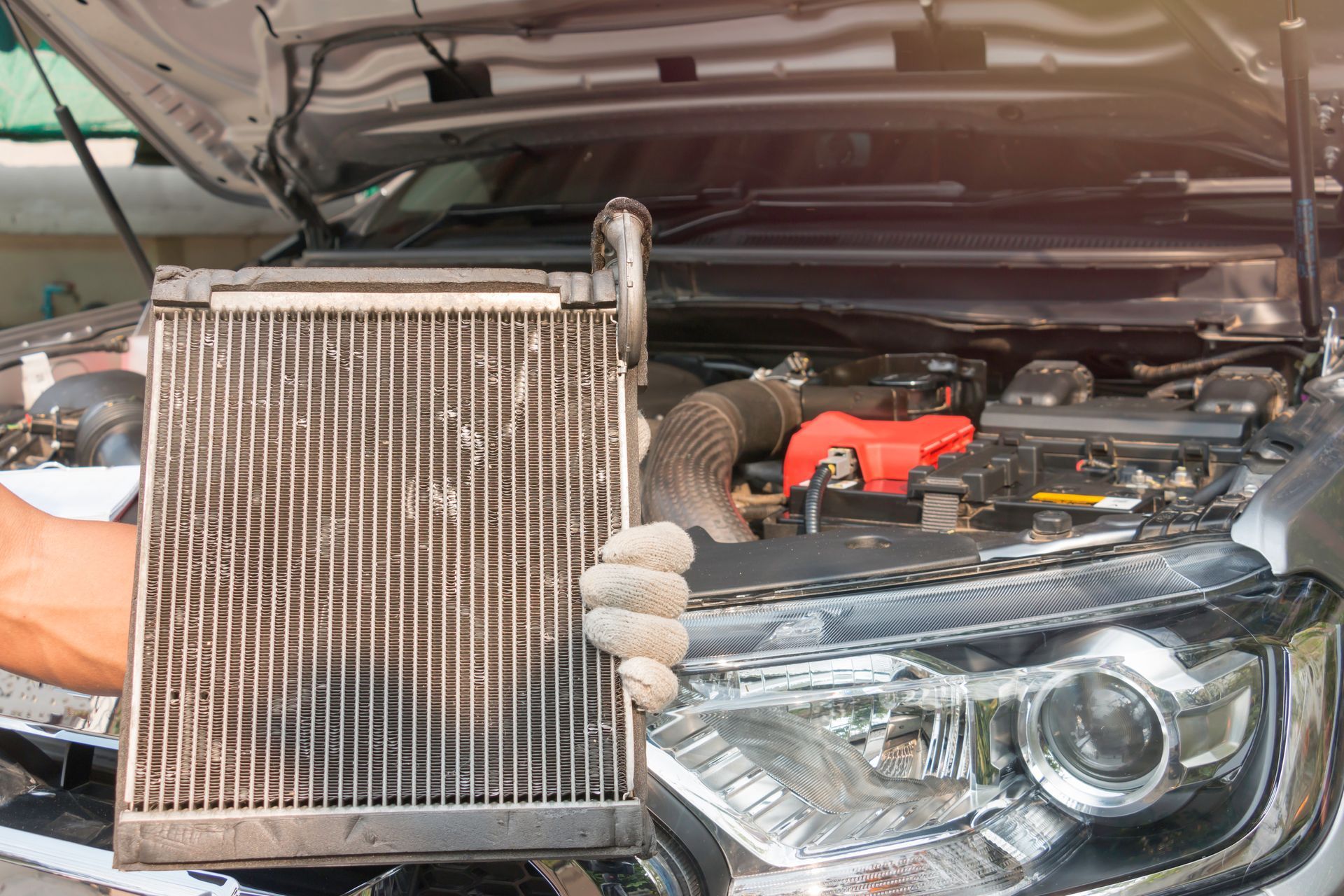
The Evaporator Can Freeze Up
A frozen evaporator can cause an unusual A/C pattern. The air may blow cold at first, then the airflow may weaken, and the vents may start blowing warmer. After the car sits for a while, the system may work again because the ice melts.
Freezing can happen when the refrigerant level is low, airflow is restricted, the cabin air filter is clogged, the blower is weak, or a temperature sensor is not reading correctly. Moisture on the evaporator can turn to ice and block air from passing through. If the vents seem to blow less air as the drive continues, this is worth checking.
Electrical Controls Can Cut The System Off
Modern A/C systems depend on pressure switches, temperature sensors, relays, fuses, control modules, and wiring. If one signal drops out after the system warms up, the A/C may shut down to protect itself or because the control system no longer recognizes the correct conditions.
That can make the problem feel random. The A/C may cool on one drive and act up on the next. It may work after startup, then stop after bumps, heat, or longer run time. A proper diagnostic looks at live data and commands while the system is acting up, not only when it is working in the shop.
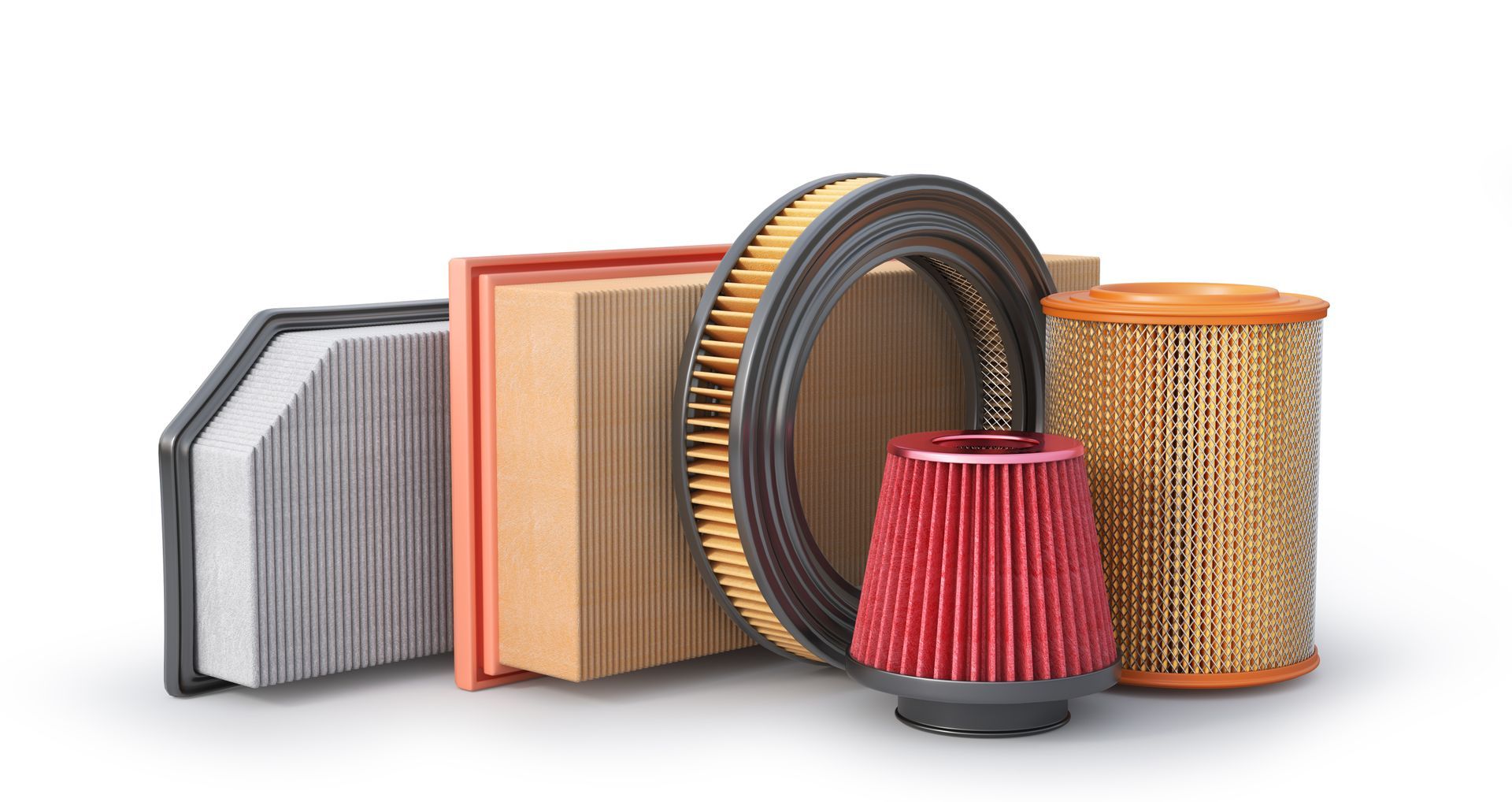
A Clogged Cabin Air Filter Can Make Cooling Feel Weak
A dirty cabin air filter will not always make the A/C blow warm, but it can make the system feel like it is fading. If airflow through the vents is restricted, the cabin takes longer to cool, and the evaporator can get too cold in some conditions.
The fan may sound loud while very little air comes out. You might also notice musty smells or uneven airflow from the vents. Cabin air filters are simple parts, but they are easy to forget. Regular maintenance helps keep airflow strong enough for the A/C system to do its job.
Why A Recharge Is Not Always The Fix
It is tempting to ask for a recharge when the A/C cooling fades. Sometimes refrigerant service is part of the answer. Still, a recharge alone does not explain why the system lost refrigerant, why the compressor stopped, why the evaporator froze, or why airflow changed.
An inspection should include vent temperature, system pressures, leak testing, condenser fan operation, airflow checks, cabin filter condition, compressor engagement, and electrical controls. That full look keeps you from paying for temporary cold air when the real problem is still sitting in the system.
Get A/C Repair In Lakewood, WA, With Tveten's Auto Clinic
If your A/C starts cold and then turns warm, Tveten's Auto Clinic in Lakewood, WA, can test the refrigerant level, check for leaks, inspect airflow, and find out why the system will not stay cold.
For A/C repair before the next warm drive gets uncomfortable, contact us to schedule an appointment.


What Happens When You Skip An EV Coolant Flush, and How Does It Differ From an Engine Coolant Flush?