One of the hardest conversations we have at our shop is not about how to fix a car. It is about whether fixing it still makes sense. A lot of drivers reach a point where they are tired of surprise repairs, tired of sinking money into an aging vehicle, and wondering if the next estimate is the one that should finally push them toward replacing the car instead. It is a very real question, and it does not always have a simple answer.
The truth is that a car is not automatically not worth repairing just because it is older, has high mileage, or needs an expensive job. We work on older vehicles all the time that are still absolutely worth keeping on the road. On the other hand, we also see cars that look okay at first glance but are quietly becoming financial black holes because the repair list keeps growing, the reliability keeps shrinking, and the owner is spending more to keep the car alive than the car is realistically worth.
From our perspective, the goal is not to scare people into replacing a vehicle too early. It is to help them make a smart, honest decision based on the full picture.
Start With The Type Of Repair
Not all expensive repairs mean the car is done. A lot depends on what is actually wrong.
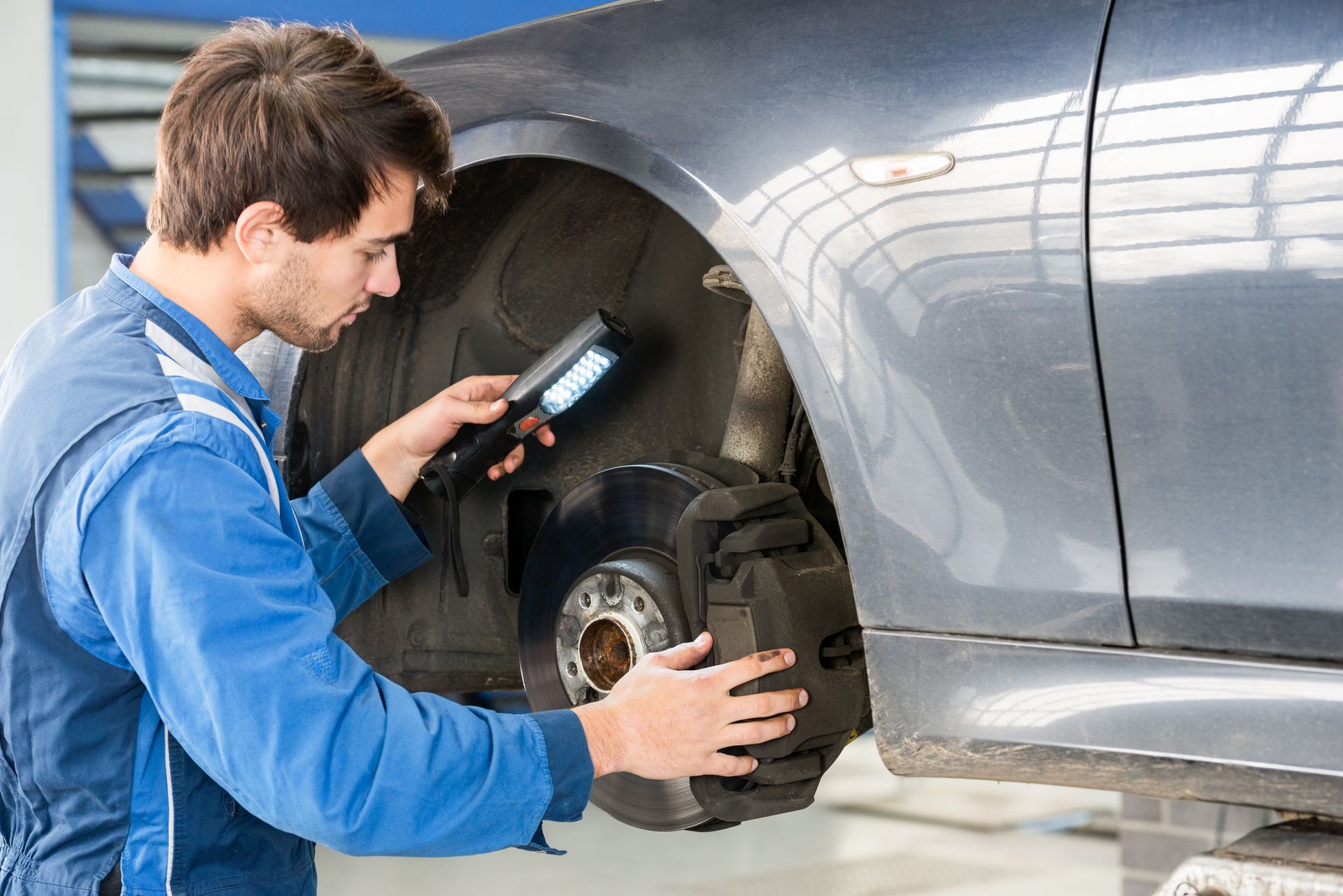
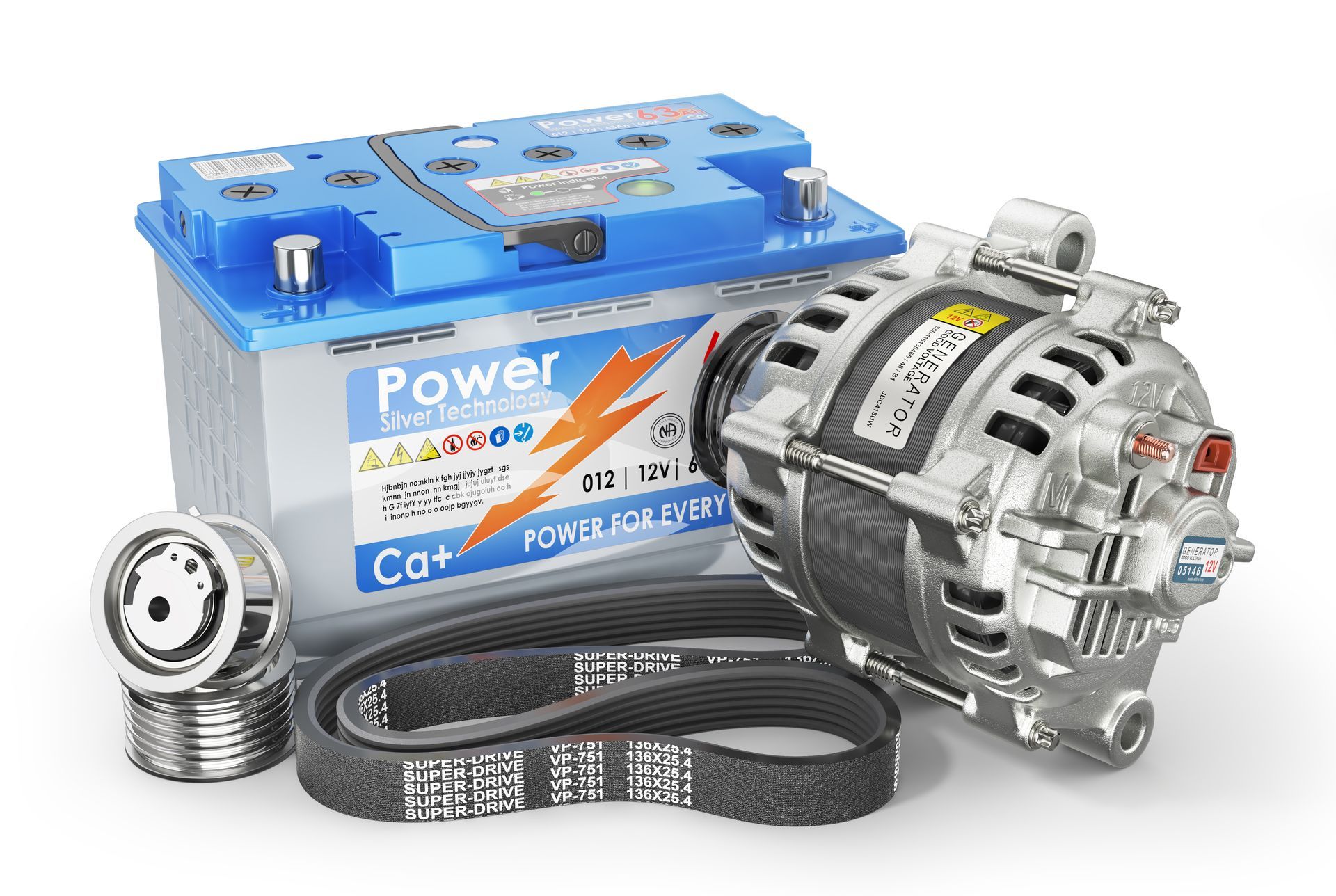
For example, replacing brakes, tires, a battery, or suspension parts may feel costly in the moment, but those are wear items. Every vehicle needs them eventually. Spending money on those repairs does not automatically mean the car is a lost cause. It may simply mean the car has reached a normal maintenance stage.
Major engine failure, severe transmission problems, structural rust, or repeated electrical issues are a different story. Those are the kinds of repairs that can force a much bigger repair versus replace conversation because they often cost a lot and may not be the last large bill coming.
At our shop, one of the first things we ask is whether the estimate is for normal aging maintenance or a sign the vehicle is starting to unravel in a bigger way.
Compare The Repair Cost To The Car’s Real Value
This is one of the biggest factors, but it should not be the only one. If a repair costs more than the car is worth, that is a major red flag. It does not always mean replacement is automatic, but it definitely deserves a pause.
A lot of drivers look only at trade in value, which is not always the full picture. What matters more is what the car is realistically worth to you in usable transportation. If replacing the car means taking on a large monthly payment, a repair that looks expensive on paper may still be the cheaper move if it gives you a year or two of dependable use.
On the other hand, if the repair bill is huge and the vehicle is still likely to need more major work soon, putting more money into it may not be the smartest path. The important question is not only how much the repair costs. It is what that repair buys you in return.
Look At The Pattern, Not Just The Current Estimate
This is one of the most useful ways to make the decision. A single repair, even a big one, does not necessarily mean the car is not worth fixing. What matters more is the pattern.
If the car has been generally dependable and this is the first major repair in a long time, fixing it may make perfect sense. If the car has needed repeated repairs every few months and the list keeps growing, the current estimate may be part of a bigger pattern that says the vehicle is becoming too expensive and unpredictable to keep.
At our shop, we often ask customers to think back over the last year or two. Has the car mostly been reliable with one bad moment, or has it become a regular source of stress and expense. The answer tells you a lot.
Reliability Matters Just As Much As Cost
A car can be technically repairable and still no longer make sense to keep if you cannot trust it. This matters especially for people who commute long distances, depend on the car for work, drive kids around daily, or simply cannot afford the disruption of repeated breakdowns.
A vehicle that leaves you stranded, misses appointments, creates towing bills, or keeps you guessing every week has costs that go beyond the repair invoice. Lost time, stress, missed work, and uncertainty all matter. A repair versus replace decision is never just math. Reliability has real value, and once a car stops being dependable, the conversation changes.
Safety Problems Should Carry Extra Weight
There are some issues we take especially seriously in this decision. If the vehicle has serious structural rust, severe frame damage, major airbag issues, or safety related problems that make it difficult to trust the car on the road, replacement becomes much easier to justify.
A car that is becoming unsafe is not something we like to patch together endlessly. There is a difference between an older vehicle that needs maintenance and a vehicle that is no longer a smart place to keep investing money. If the repair list includes multiple safety concerns at once, that is a strong sign to step back and reconsider the bigger picture.
Consider What You Would Replace It With
This part gets overlooked a lot. It is easy to say the current car needs too much work, but what are you replacing it with. A newer used car may come with its own hidden maintenance needs. A brand new car may come with a payment that is much harder on the monthly budget than one larger repair bill would have been.
At our shop, we always think it helps to compare the current repair against a realistic replacement plan, not an imaginary perfect replacement. If you repair the current vehicle, how much more life are you likely to get. If you replace it, what will the payment, taxes, insurance, and unknowns look like.
Sometimes fixing the current car is the smarter short term move. Sometimes it is just throwing money at a problem that is not going away. The comparison only works when you are honest about both sides.
A Few Good Questions To Ask Yourself
If you are stuck between repairing and replacing, it helps to run through a few simple questions:
- Is this a one time major repair or part of a repeated pattern
- After this repair, is the car likely to be dependable
- Is the vehicle still safe and structurally sound
- Am I spending money on wear items or on major system failures
- What would replacing this car realistically cost me
- Do I still trust this vehicle for my daily life
Those questions usually create a much clearer picture than just reacting to the estimate total.
When Repairing Still Makes Good Sense
A car is often still worth repairing when the body and structure are solid, the vehicle has been generally reliable, and the current repair is likely to restore good use for a reasonable amount of time. This is especially true when the car is paid off and replacement would create a heavy monthly payment.
We see a lot of older vehicles that are still very worth maintaining because the owner knows the car, the history is clear, and the repair is meaningful rather than endless.
When Replacing Starts Making More Sense
Replacement starts making more sense when the vehicle has become unreliable, the repair costs are stacking up, the safety picture is declining, or the current estimate is only one piece of a growing list. It also becomes easier to justify when the repair is extremely expensive and does not solve the larger reliability problem. At a certain point, you are no longer repairing transportation. You are financing uncertainty.
There Is No Shame In Either Choice
One of the biggest things we tell customers is this. There is no shame in repairing a car that still makes sense, and there is no shame in deciding you are done investing in a vehicle that has become too much. The right answer depends on your finances, your needs, and what the car is actually telling you.
From our side of the shop, we want the decision to be honest. Not emotional panic, not blind hope, and not pressure. Just a clear look at what the car needs and whether putting more money into it is likely to serve you well.
If you are trying to decide whether your car is still worth repairing,
bring it to the experts at
Tveten's Auto Clinic in Lakewood, WA.

What Happens When You Skip An EV Coolant Flush, and How Does It Differ From an Engine Coolant Flush?