On a snowy road, the gap ahead of you is part of your braking plan. It gives you time to notice a problem, react, and slow the car with the grip available. Leave too little room and a normal stop ahead becomes an emergency in your lane.
There isn't one following distance that makes every winter road safe. Snow depth, ice, speed, slope, tires, and visibility all change the space you need. Start with a much larger gap than you use on dry pavement and adjust it as conditions change around Lakewood.
Measuring Following Distance in Seconds
Counting seconds is more useful than estimating a few car lengths. Choose a fixed object beside the road, such as a sign or pole. When the vehicle ahead passes it, begin counting. The time until you reach the same object is your following interval.
Winter-driving guidance often suggests a gap of around 8 to 10 seconds in snowy conditions, with more on ice. Treat that as a planning guide, not a stopping guarantee. A steep downgrade or very slippery surface can demand far more room and a substantially lower speed.
For perspective, at 30 mph the car travels about 44 feet each second. An 8-second interval represents roughly 352 feet at that steady speed. That distance allows time to observe and respond; it isn't a calculation of how quickly your particular car will stop.
Why Snow and Ice Increase Stopping Distance
Brakes slow the wheels, but the tires must transfer that force to the road. When the surface offers little grip, the vehicle needs more distance to slow. A thin layer of ice can create a dramatic change even when the pavement looks merely wet.
Stopping also includes the time before your foot reaches the brake. If traffic ahead slows while you're looking away, part of the gap disappears before braking begins. Keeping attention on the road and looking several vehicles ahead preserves more of that room.
ABS helps prevent wheels from locking up during braking. It still works within the grip available. A functioning system and good tires support vehicle control, while a generous gap reduces the chance that you need an emergency stop in the first place.
Following Distance on Hills and Curves
Downhill travel adds to the work required to slow the vehicle. Increase the gap and reduce speed before descending a slippery hill. Waiting until you're close behind another car makes it harder to manage braking smoothly.
Curves divide the tire's available grip between turning and slowing. Complete most speed reduction before entering, keep steering gentle, and leave room for the vehicle ahead to slow further. A clear straight section doesn't guarantee the same traction around the bend.
Intersections also deserve extra space. Traffic can stop unexpectedly, and polished snow or refrozen moisture may be present where drivers repeatedly brake. Begin easing off early instead of racing up to the last car and stopping sharply.
When to Increase Your Winter Driving Gap
Add more room when you encounter:
- Ice or a glossy surface near freezing temperatures
- A downhill section or sharp curve
- Poor visibility from snow, spray, or fog
- A vehicle ahead that brakes unpredictably
Large trucks can also block your view farther up the road. Leave enough distance to see around them safely and anticipate traffic changes. Avoid staying close just to follow their tire tracks.
If a driver moves into the space you've left, ease back and rebuild the interval. The gap is there for your reaction time. Trying to defend it by accelerating toward the other vehicle removes the protection you were creating.
How Tire Condition Affects Winter Braking
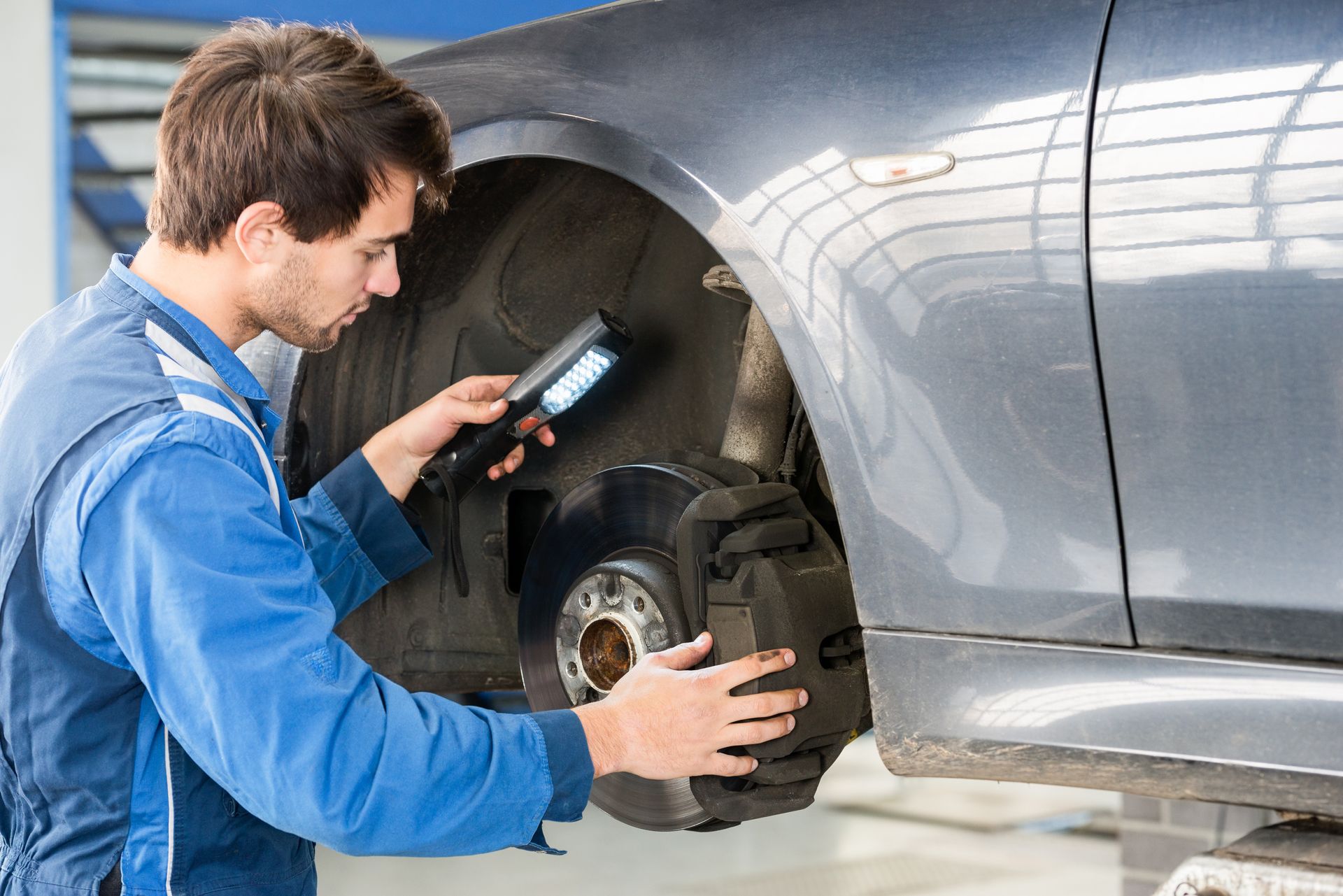
Tire type, tread depth, rubber condition, and inflation affect available traction. Inspect the whole tread, including the inner edge, and use the vehicle's cold pressure requirements. Damaged or heavily worn tires deserve attention before snow arrives.
Winter tires are designed for cold-weather use, but every tire has limits on ice. Increase following distance and reduce speed as the surface worsens. A good set of tires helps; the following interval remains an important part of your plan.
All-wheel drive mainly helps distribute power during acceleration. A confident launch from a stop tells you little about how short the next stop will be. Braking depends on the grip under all the tires, regardless of which wheels receive engine power.
Smooth Braking on Slippery Roads
Look ahead and ease off the accelerator early when traffic begins to slow. That gives you time to brake gently and reduces sudden changes for the vehicle behind. Keep cruise control off on slippery surfaces so you manage the speed directly.
During an emergency stop with functioning ABS, use firm, steady pedal pressure and follow your vehicle's instructions. Pedal pulsing is normal when ABS is active. Learn the controls and warning messages before winter driving requires a quick response.
If a brake warning, strong pulling, or a major handling change appears, arrange a check. Those concerns are harder to manage in poor traction. Discuss safe transport if the vehicle isn't braking reliably.
Winter Tire and Brake Service at Tveten's Auto Clinic
Tveten's Auto Clinic in Lakewood, WA, can review tire condition, brake performance, and winter service needs. Describe any uneven wear, braking pull, or warning messages so we can focus the inspection on what you've noticed.
Schedule winter tire and brake service with
Tveten's Auto Clinic before snowy roads demand more from your vehicle.
What Happens When You Skip An EV Coolant Flush, and How Does It Differ From an Engine Coolant Flush?